The Monet Experience

The Monet Experience

Thirty years, one pond, one obsession, rebuilt into three chapters you can feel.

Thirty years, one pond, one obsession, rebuilt into three chapters you can feel.

Product Design

Product Design

Product Design

Prototyping

Prototyping

Prototyping

ROLE

ROLE

Product Designer · UX Research · Build

Product Designer · UX Research · Build

TOOL STACK

TOOL STACK

Figma · React · Anthropic API · Vercel

Figma · React · Anthropic API · Vercel

TIMELINE

TIMELINE

2 months

2 months

OUTCOME

OUTCOME

Presented at

Presented at

· Digital Product Design & Cross-functional teams

· Digital Product Design & Cross-functional teams

Scroll, and the painting starts to move. The pond from 1897 loosens, dissolves, and slowly becomes the pond from 1926. Same water. Same lilies. Thirty years of one man's looking, in a few seconds you control with your thumb.

Scroll, and the painting starts to move. The pond from 1897 loosens, dissolves, and slowly becomes the pond from 1926. Same water. Same lilies. Thirty years of one man's looking, in a few seconds you control with your thumb.

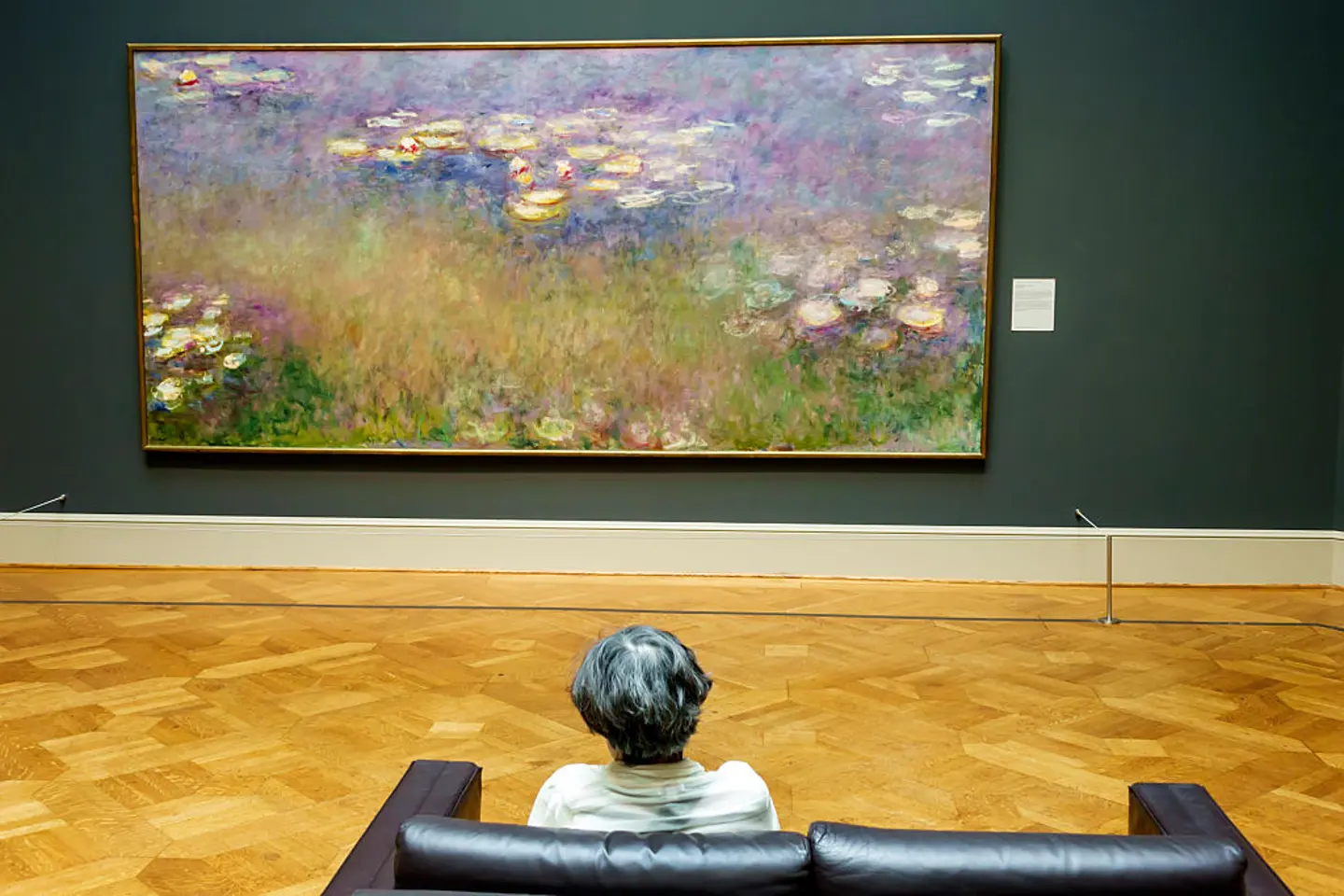
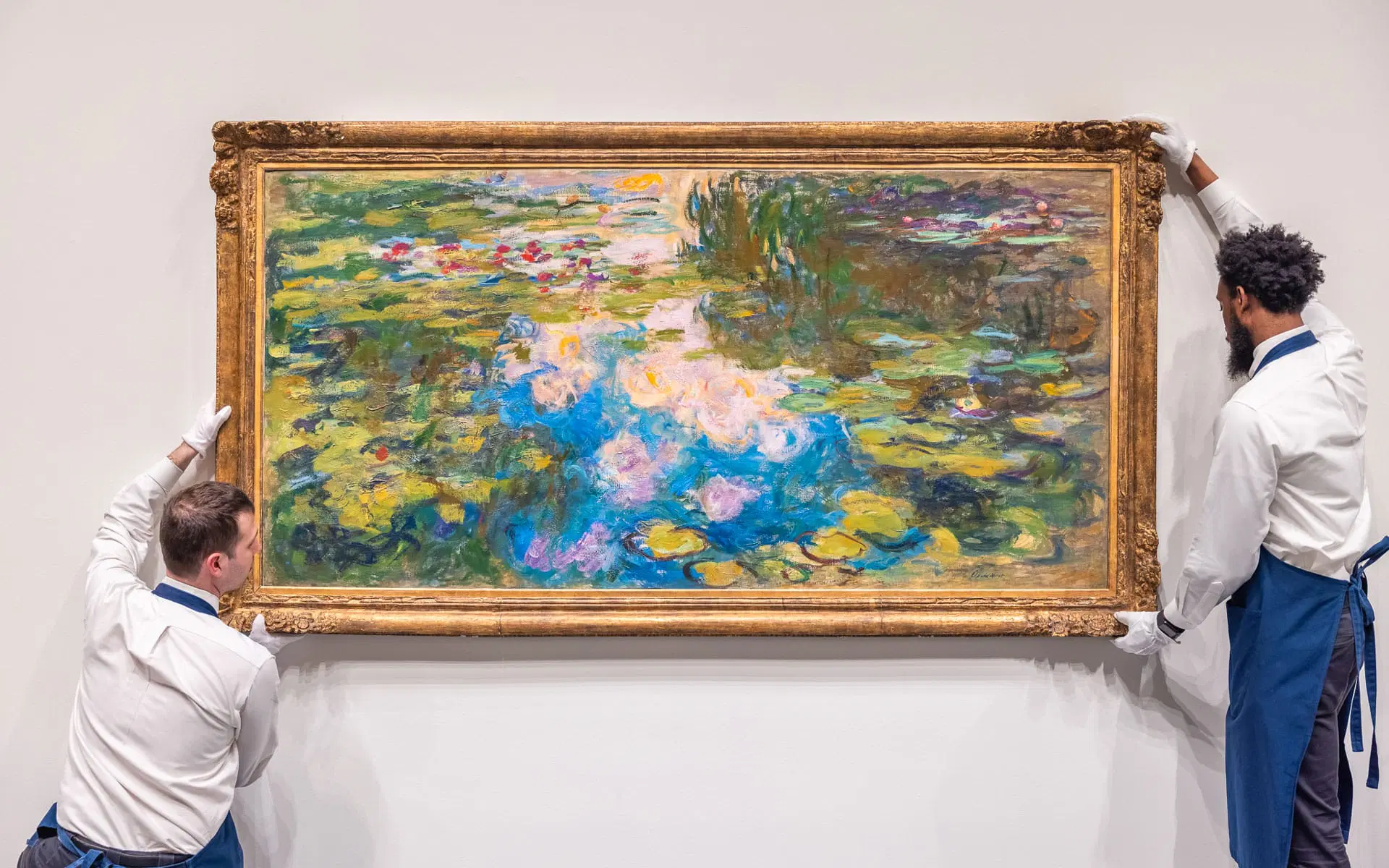
The Water Lilies at MoMA is one of my favorite works in the collection. Monet painted almost 250 versions of the same pond over three decades. Most people walk past them without knowing that. I wanted to change what they see.

The Water Lilies at MoMA is one of my favorite works in the collection. Monet painted almost 250 versions of the same pond over three decades. Most people walk past them without knowing that. I wanted to change what they see.

The fellowship brief was open. Pick something from the collection. Make people care about it. I had two months. I researched it, designed it, and built the working version myself. The result is a three-chapter experience, each one asking the visitor to do something different with the same subject.

The fellowship brief was open. Pick something from the collection. Make people care about it. I had two months. I researched it, designed it, and built the working version myself. The result is a three-chapter experience, each one asking the visitor to do something different with the same subject.

~250

~250

water lily paintings Monet made over three decades

water lily paintings Monet made over three decades

3

3

chapters, each with a distinct interaction model

chapters, each with a distinct interaction model

2 mo

2 mo

from brief to live, researched, designed, and built solo

from brief to live, researched, designed, and built solo

THE THINKING

THE THINKING

Artworks ask for slow time.
We rush past it.

Artworks ask for slow time.
We rush past it.

I love these paintings, and I noticed something that bothered at me. The work rewards slow looking, and the way we usually meet it is quick. You glance, you read the label, you move to the next room. The paintings are patient. We are not.

I love these paintings, and I noticed something that bothered at me. The work rewards slow looking, and the way we usually meet it is quick. You glance, you read the label, you move to the next room. The paintings are patient. We are not.

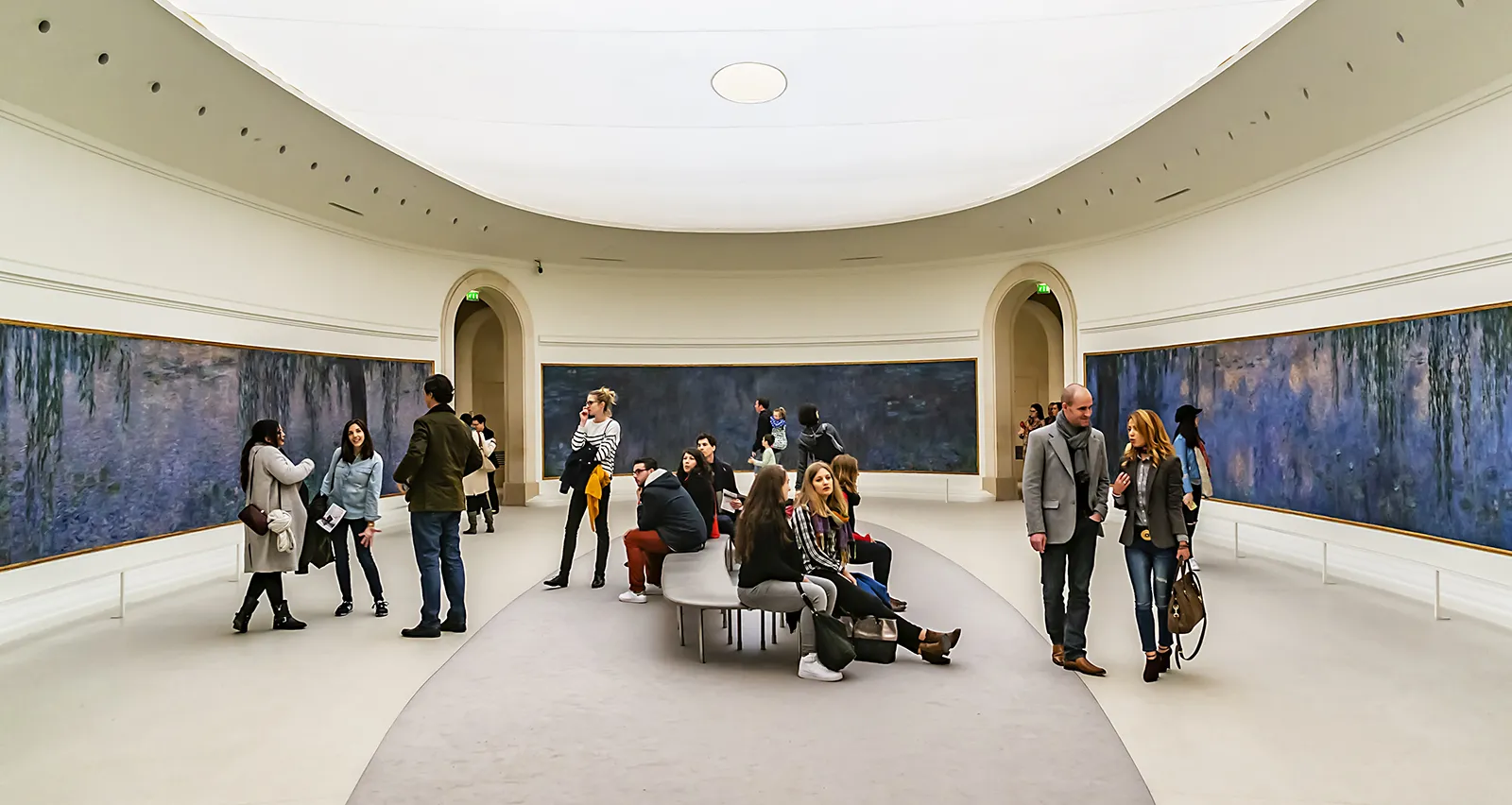
Seen in sequence, a body of work becomes something more than a collection of artwork, it turns into a record of a life unfolding over years. But that arc is almost impossible to catch, because the paintings hang as separate stills in separate cities. So I set myself a goal: give the work back its slow time, using a medium built for speed.
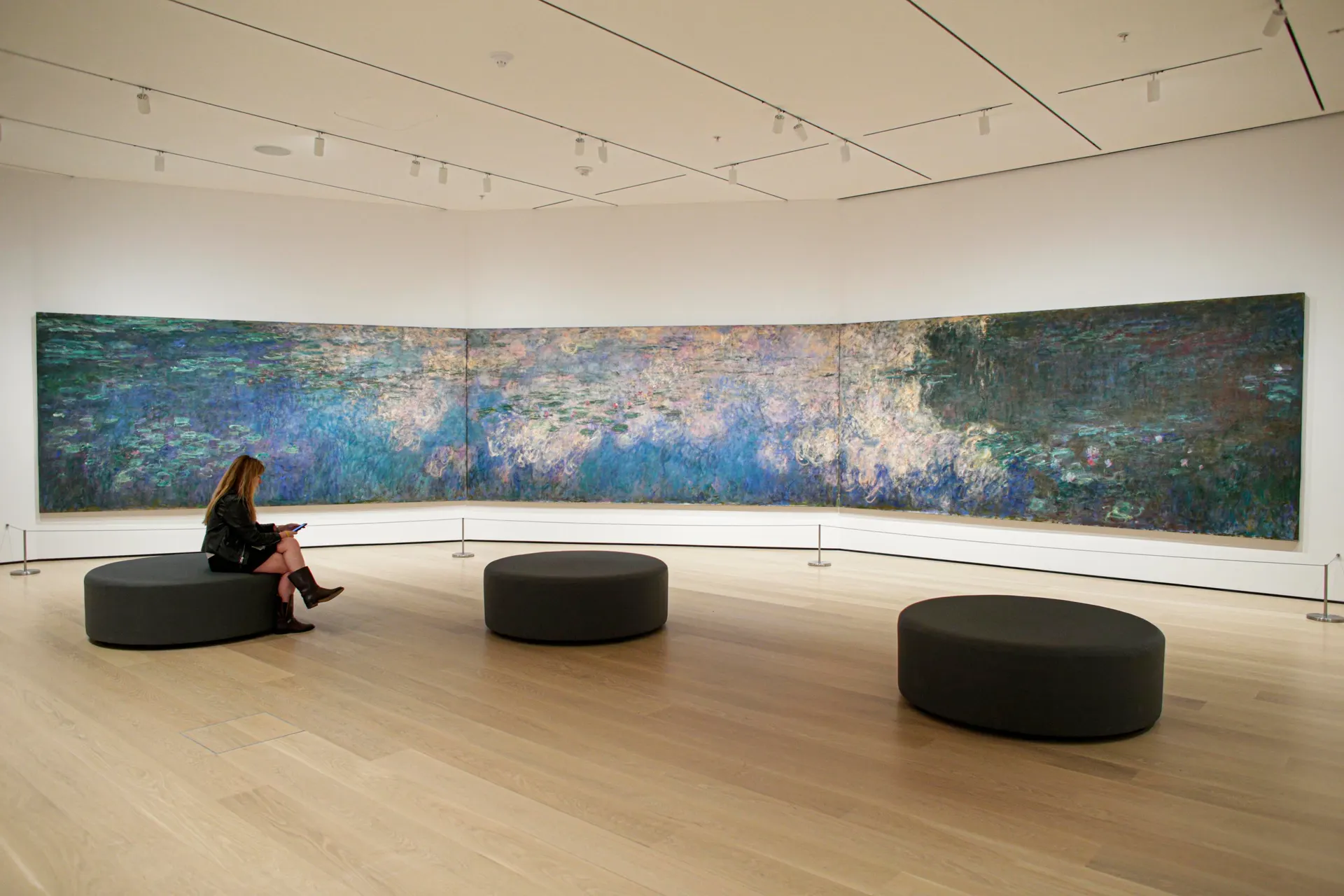
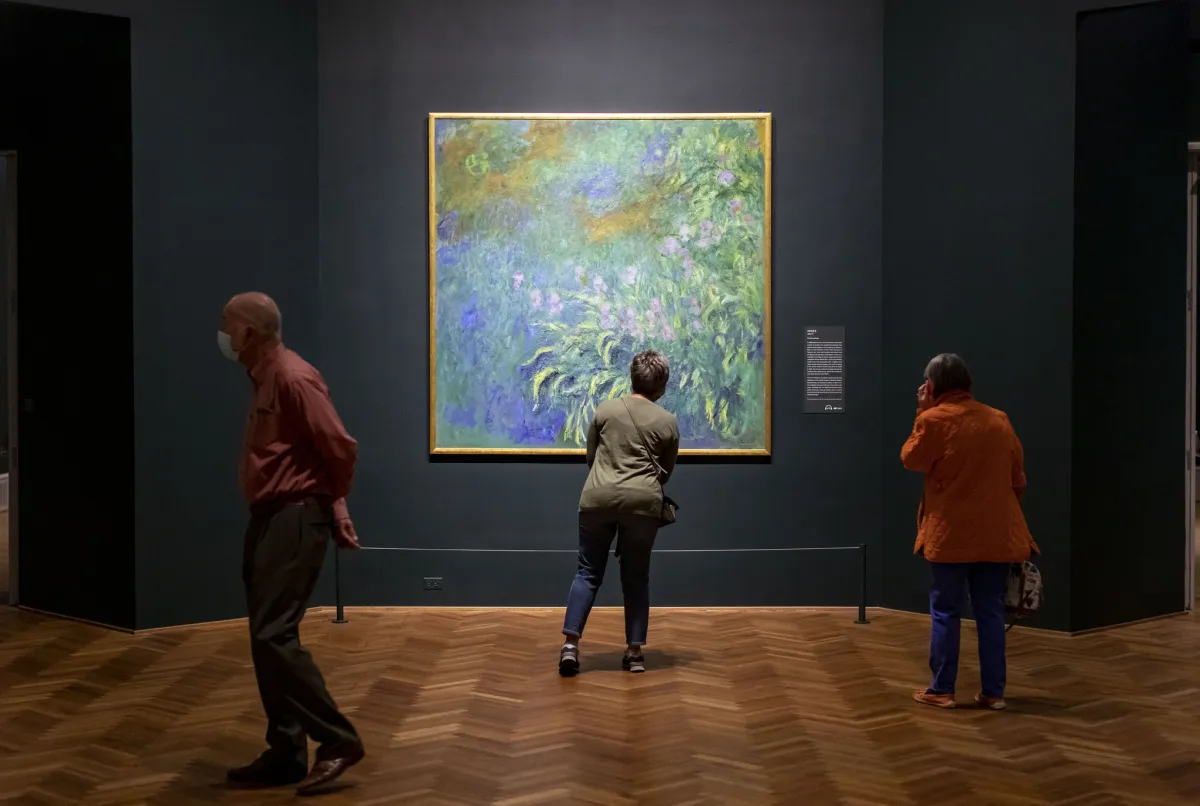
Seen in sequence, a body of work becomes something more than a collection of artwork, it turns into a record of a life unfolding over years. But that arc is almost impossible to catch, because the paintings hang as separate stills in separate cities. So I set myself a goal: give the work back its slow time, using a medium built for speed.
THE STRUCTURE

THE STRUCTURE

Three chapters.
Three ways to experience.

Three chapters.
Three ways to experience.

Each arc has a distinct interaction, designed to match how the story needs to be told. There is no single right way to relate to a body of work like this. The reason I built it in three modes, witness, discover, judge, is because I think those are actually the three ways anyone learns to love a painting. You sit with it. You find out where it came from. And eventually, you have an opinion about it.

Each arc has a distinct interaction, designed to match how the story needs to be told. There is no single right way to relate to a body of work like this. The reason I built it in three modes, witness, discover, judge, is because I think those are actually the three ways anyone learns to love a painting. You sit with it. You find out where it came from. And eventually, you have an opinion about it.

Chapter 01

Chapter 01

To Witness

To Witness

See how the pond changed

See how the pond changed

A scrolling timeline moves through 30 years of paintings. You watch the pond change as Monet's life changes, animated through AI video morphing

A scrolling timeline moves through 30 years of paintings. You watch the pond change as Monet's life changes, animated through AI video morphing

Chapter 02

Chapter 02

To Discover

To Discover

See what shaped his
eye

See what shaped his eye

See what shaped his eye

Monet collected 231 Japanese woodblock prints. Japanese woodblock prints as the hidden source, lilies to collect and explore

Monet collected 231 Japanese woodblock prints. Japanese woodblock prints as the hidden source, lilies to collect and explore

Chapter 03

Chapter 03

To Judge

To Judge

Decide what he
started

Decide what he started

Did Monet really father Abstract Expressionism, or did critics build that story later? You look at the evidence. You decide.

Did Monet really father Abstract Expressionism, or did critics build that story later? You look at the evidence. You decide.

CHAPTER 01 · WITNESS

CHAPTER 01 · WITNESS

See how the pond changed

See how the pond changed

Monet painted the same pond from 1897 until he died in 1926. This chapter follows those three decades through ten paintings. Each canvas holds a different moment of his life. His wife died. His eyesight failed. The war came close. You can read all of it in the brushwork once you can see the paintings in sequence.

Monet painted the same pond from 1897 until he died in 1926. This chapter follows those three decades through ten paintings. Each canvas holds a different moment of his life. His wife died. His eyesight failed. The war came close. You can read all of it in the brushwork once you can see the paintings in sequence.

So I made them move. The chapter is a vertical timeline, and each painting dissolves into the next as you scroll. The controls stay minimal on purpose. The change between canvases is the content. Nothing else competes with it.

So I made them move. The chapter is a vertical timeline, and each painting dissolves into the next as you scroll. The controls stay minimal on purpose. The change between canvases is the content. Nothing else competes with it.

Thirty years of the same pond was not repetition. It was one slow, unbroken transformation. The morph lets you watch it happen.

Thirty years of the same pond was not repetition. It was one slow, unbroken transformation. The morph lets you watch it happen.

How the morph actually works

How the morph actually works

I used an AI video model that takes two real paintings and generates the frames in between. Each transition is 25 frames. The first and last are the real paintings, exact to the pixel. Only the 23 in the middle are generated.

I used an AI video model that takes two real paintings and generates the frames in between. Each transition is 25 frames. The first and last are the real paintings, exact to the pixel. Only the 23 in the middle are generated.

The rule I would not break

The rule I would not break

The AI fills the gaps. It never fakes a Monet. Ten transitions came to 225 images, all generated ahead of time and preloaded, so playback is instant. The slow, expensive work happens before you arrive.

The AI fills the gaps. It never fakes a Monet. Ten transitions came to 225 images, all generated ahead of time and preloaded, so playback is instant. The slow, expensive work happens before you arrive.

The image morphs between ten real paintings, and the label on the right gives each one its moment, title, date, and what was happening when Monet painted it.

The image morphs between ten real paintings, and the label on the right gives each one its moment, title, date, and what was happening when Monet painted it.

CHAPTER 02 · DISCOVER

CHAPTER 02 · DISCOVER

See where his eye came from

See where his
eye came from

See where his eye came from

When Japan opened to the West in the 1850s, woodblock prints flooded into Paris. Monet collected 231 of them. The flat planes, the cropped views, the close-up water surfaces, all of it shows up in the water lilies. Most visitors never know that connection exists.

When Japan opened to the West in the 1850s, woodblock prints flooded into Paris. Monet collected 231 of them. The flat planes, the cropped views, the close-up water surfaces, all of it shows up in the water lilies. Most visitors never know that connection exists.

So I turned it into something you uncover. Pink lilies hide in the pond, flanked by prints from Monet's own collection. You find each one, and each reveals a specific technique he borrowed and the painting it shaped. A fact you uncover stays with you. A fact you are handed slides off.

So I turned it into something you uncover. Pink lilies hide in the pond, flanked by prints from Monet's own collection. You find each one, and each reveals a specific technique he borrowed and the painting it shaped. A fact you uncover stays with you. A fact you are handed slides off.

Hidden in the pond are six pink lilies. This invites you to uncover a print Monet owned, the technique he took from it, and where it surfaces in his work

Hidden in the pond are six pink lilies. This invites you to uncover a print Monet owned, the technique he took from it, and where it surfaces in his work

CHAPTER 03 · JUDGE

CHAPTER 03 · JUDGE

Decide what he started

Decide what he started

In 1957 the critic Clement Greenberg argued that late Monet pointed straight at American painters like Pollock and Rothko. People have been arguing about it ever since. Some historians agree. Others say critics built that story decades later to make the timeline neat.

In 1957 the critic Clement Greenberg argued that late Monet pointed straight at American painters like Pollock and Rothko. People have been arguing about it ever since. Some historians agree. Others say critics built that story decades later to make the timeline neat.

So I put the works side by side and let you referee. Monet's pond sits at the center. 20th-century paintings orbit it. I graded every connection honestly, some artists said it themselves, some is documented through archives, some is only critics drawing the line after the fact. You get the evidence and how strong it is, then you decide.

So I put the works side by side and let you referee. Monet's pond sits at the center. 20th-century paintings orbit it. I graded every connection honestly, some artists said it themselves, some is documented through archives, some is only critics drawing the line after the fact. You get the evidence and how strong it is, then you decide.

Every painting here has been tied to late Monet. This chapter invites you to follow a line to see how strong the claim is, stated by the artist, documented, or argued by critics after the fact, then judge it and put your opinion.

Every painting here has been tied to late Monet. This chapter invites you to follow a line to see how strong the claim is, stated by the artist, documented, or argued by critics after the fact, then judge it and put your opinion.

FROM DESIGN TO WORKING BUILD

FROM DESIGN TO WORKING BUILD

The design isn't a mockup. It runs.

The design isn't a mockup. It runs.

I designed this in Figma, and I also built the working version on React. Vercel hosts it. The morph in Chapter 1 plays back frames an AI video model generated in advance, rendered out with Claude Code so the sequence is smooth and instant rather than computed on the fly.

I designed this in Figma, and I also built the working version on React. Vercel hosts it. The morph in Chapter 1 plays back frames an AI video model generated in advance, rendered out with Claude Code so the sequence is smooth and instant rather than computed on the fly.

Building it changed the design. I could feel when a transition ran a half-beat too slow, when a reveal needed more forgiveness, when a hover state did nothing. The loop between a decision and the test of whether it felt right shrank to minutes. Doing the design and the build myself meant the interaction ideas and the code never drifted apart.

Building it changed the design. I could feel when a transition ran a half-beat too slow, when a reveal needed more forgiveness, when a hover state did nothing. The loop between a decision and the test of whether it felt right shrank to minutes. Doing the design and the build myself meant the interaction ideas and the code never drifted apart.

Figma

Figma

Design system, flows, and high-fidelity screens

Design system, flows, and high-fidelity


React

React

Built and shipped the live experience myself

Built and shipped the live experience myself


Anthropic API

Anthropic API

Live in the prototype, proposed to MoMA as a direction

Live in the prototype, proposed to MoMA as a direction

HONEST SCOPE

HONEST SCOPE

This is a concept piece. Here is how I would prove it works.

This is a concept piece.
Here is how I would prove it works.

I built this as a working prototype, not a shipped museum product, and I did not run formal user testing on it. The next move is to put it in front of real visitors.

I built this as a working prototype, not a shipped museum product, and I did not run formal user testing on it. The next move is to put it in front of real visitors.

I would test it with the two ends of MoMA's audience. Casual visitors first, since they are the ones who normally glance and move on. Art enthusiasts second. I am looking for one signal above all others: does anyone slow down?

I would test it with the two ends of MoMA's audience. Casual visitors first, since they are the ones who normally glance and move on. Art enthusiasts second. I am looking for one signal above all others: does anyone slow down?

Do casual visitors finish all three chapters, or drop after the first? Does the discover mechanic in Chapter 2 read as a game or as a chore? Does Chapter 3 actually leave people with an opinion, or does the open ending frustrate them? I would be curious to learn these from the user testing.

Do casual visitors finish all three chapters, or drop after the first? Does the discover mechanic in Chapter 2 read as a game or as a chore? Does Chapter 3 actually leave people with an opinion, or does the open ending frustrate them? I would be curious to learn these from the user testing.

WHAT I'D TAKE INTO THE NEXT ROLE

WHAT I'D TAKE INTO THE NEXT ROLE

What this project taught me about product.

What this project taught me about product.

It looks like an art piece. It was really a product problem in disguise. The lessons port straight to any product team.

Match the interaction to the intent

Match the interaction to the intent

A single "scroll a gallery" pattern would have flattened three different jobs into one. I chose a distinct mechanic for each chapter. That was the highest-leverage decision I made.

A single "scroll a gallery" pattern would have flattened three different jobs into one. I chose a distinct mechanic for each chapter. That was the highest-leverage decision I made.

Restraint is a feature

Restraint is a feature

The strongest chapter has the fewest controls. Knowing what to cut mattered more than knowing what to add.

The strongest chapter has the fewest controls. Knowing what to cut mattered more than knowing what to add.

Building it makes the design honest

Building it makes the design honest

Shipping the React version surfaced friction no static prototype would have shown me. I want to keep designing inside the medium.

Shipping the React version surfaced friction no static prototype would have shown me. I want to keep designing inside the medium.

Ambiguity can be the product

Ambiguity can be the product

Chapter 3 leaves its question open on purpose. I trust the user to form a judgment.

Chapter 3 leaves its question open on purpose. I trust the user to form a judgment.

© 2026- Shreesa Shrestha

© 2026- Shreesa Shrestha